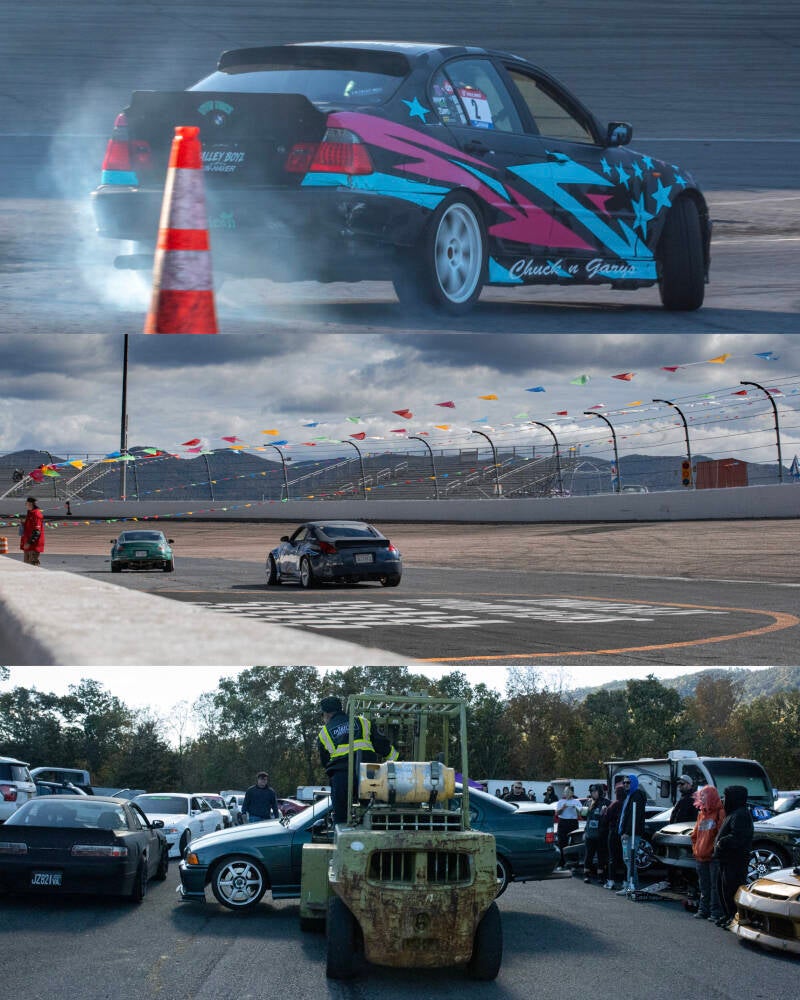
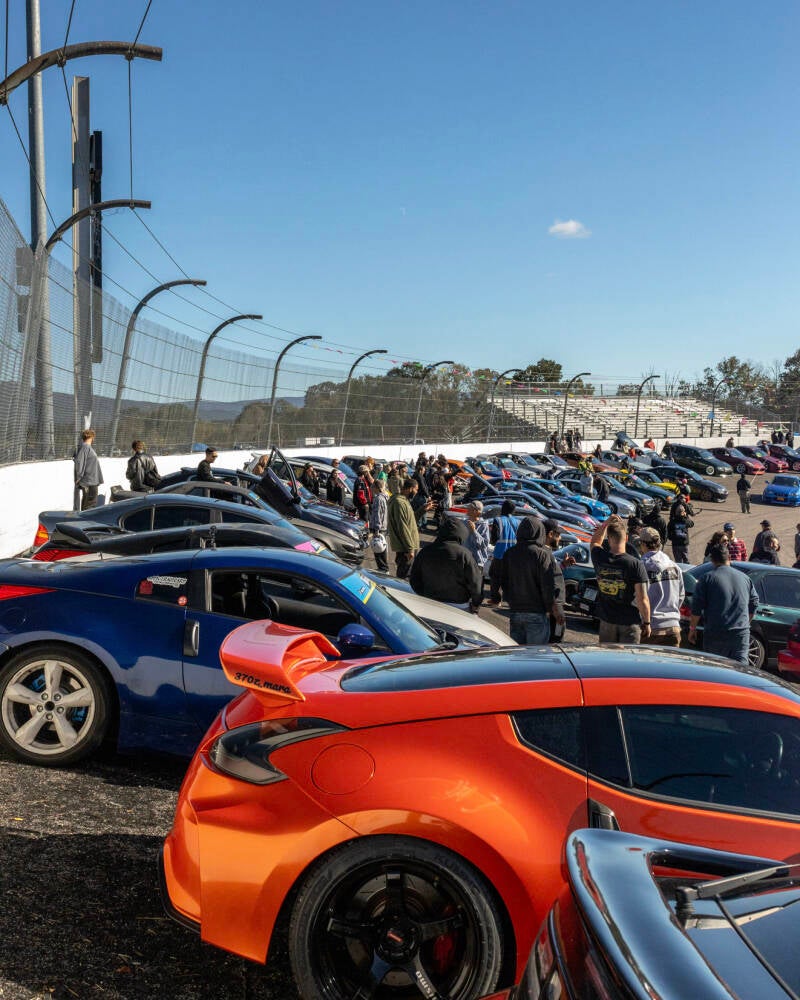
Drifting occupies a distinctive position within modern motorsports, combining technical precision, vehicle development, driver discipline, and individual expression into a discipline recognized around the world. At Shenandoah Speedway, Swingset’s Doricon event brought these elements together in a compelling showcase of East Coast drifting, highlighting the community’s continued growth while acknowledging the Japanese automotive heritage that helped establish the sport’s global identity.
More than a gathering centered on performance vehicles, Doricon represented the intersection of motorsports, culture, and community. The event provided a platform for drivers, builders, enthusiasts, and spectators to participate in a discipline whose influence extends far beyond the track. Through the combination of grassroots participation, technical driving, and automotive creativity, Doricon reflected the character of an East Coast drift scene built on commitment, collaboration, and a shared respect for the craft.
Shenandoah Speedway provided the setting for a weekend dedicated to the people and machines that continue to define this evolving motorsports community. Swingset’s presentation of Doricon underscored the importance of events that bring enthusiasts together, creating opportunities for drivers to demonstrate their abilities, builders to showcase their work, and spectators to experience the technical and cultural dimensions of drifting firsthand.
The East Coast Identity: Technical Driving and Grassroots Culture
The East Coast has developed a recognizable presence within American drifting through its combination of grassroots participation, competitive ambition, and highly individualized vehicle development. Across the region, the sport is sustained by drivers and teams who invest considerable time and resources into refining their vehicles, developing their driving techniques, and contributing to a community where progress is measured through both performance and experience.
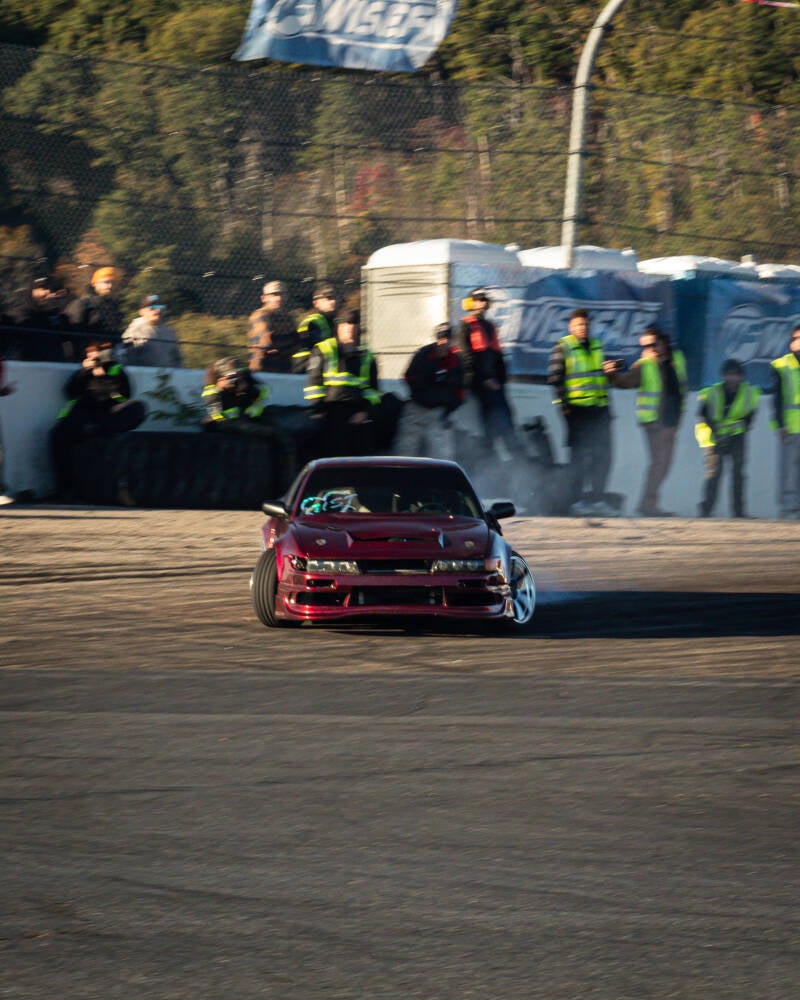
At its core, drifting demands a sophisticated understanding of vehicle dynamics. Throttle modulation, steering control, weight transfer, suspension geometry, tire selection, and chassis balance all contribute to a driver’s ability to maintain control through sustained oversteer. Successful execution requires a calculated relationship between speed, angle, trajectory, and momentum, with each input influencing the vehicle’s response throughout a run.
These technical demands are central to drifting’s appeal. What appears from the spectator’s perspective to be a seamless display of power and movement is, in practice, the result of extensive preparation and precise driver input. Every transition requires timing. Every adjustment reflects an understanding of the vehicle’s behavior. Every successful run demonstrates the relationship between engineering and human skill.
Behind the Scenes of Doricon: Recognizing Jason’s Contribution to the Drift Community
Behind every successful grassroots motorsports event is an organizer whose dedication, coordination, and commitment help bring the community together. At Swingset, Jason plays an important role in creating opportunities for drivers, teams, and enthusiasts to come together through a shared passion for drifting.
Through his work organizing events such as Doricon at Shenandoah Speedway, Jason contributes to the continued growth of East Coast drift culture by helping create an environment where drivers can develop their skills, showcase their builds, and connect with others who share their enthusiasm for the sport. His efforts represent an important part of what keeps grassroots drifting moving forward: providing a platform for participation, encouraging community involvement, and helping preserve the culture that makes drifting unique.
Event organization requires more than bringing cars to a track. It takes planning, coordination, communication, and a genuine understanding of the people who make up the scene. Organizers help create the opportunities through which drivers gain experience, friendships develop, and the next generation of enthusiasts discovers the sport.
Jason’s involvement with Swingset reflects the value of individuals who invest their time and energy into creating these experiences. Their contributions help strengthen the connections between drivers, builders, spectators, and the wider motorsports community, ensuring that drifting remains about more than competition alone.
As the East Coast drift scene continues to evolve, dedicated organizers remain essential to its future. Recognizing Jason’s work is a reminder that behind every memorable event is a collective effort—and that the people who create opportunities for the community deserve recognition alongside the drivers who take to the track.
The cars may be the attraction, but the people who bring the community together are what help keep the culture alive.
Within the East Coast scene, that technical foundation exists alongside a strong grassroots identity. Many participants develop their programs through personal investment, independent fabrication, collaborative workshop environments, and a willingness to learn through competition and practice. The result is a culture in which creativity and determination remain as important as horsepower or equipment.
Doricon provided an opportunity to recognize that broader contribution to the sport. The significance of an event extends beyond individual performances; it also encompasses the work of organizers, track personnel, teams, photographers, media professionals, and volunteers whose combined efforts make these gatherings possible. Their involvement helps sustain the infrastructure and relationships that allow grassroots motorsports to continue developing.
Japanese Heritage: The Foundation of a Global Motorsport
Any meaningful discussion of contemporary drifting must acknowledge Japan’s influential role in the development of the discipline. Although car control techniques involving oversteer existed in various forms before drifting became an internationally recognized motorsport, Japan played a defining role in shaping its modern identity through performance driving culture, dedicated competitors, specialist automotive media, and organized competition.
The discipline developed from a combination of influences, including Japanese mountain-road driving culture, circuit-based experimentation, and the evolution of purpose-built performance vehicles. Over time, drifting progressed from a specialized driving practice into a structured motorsport with recognizable techniques, established competition formats, and an international following.
Its cultural significance is equally important. Japanese drift culture helped establish an enduring relationship between mechanical engineering and personal expression. Vehicles became more than transportation or competition equipment they became representations of their owners’ ambitions, technical interests, and individual identities. Chassis selection, suspension development, wheel fitment, aerodynamic components, engine configuration, and exterior presentation all became part of a broader automotive language.
That influence continues to resonate throughout American drifting. Japanese platforms, engineering philosophies, suspension technologies, and competition techniques have informed generations of American drivers and builders. Yet the international growth of drifting has never depended on exact replication. Its continued relevance comes from the ability of different communities to interpret its foundational principles through their own automotive environments and creative perspectives.
The East Coast has developed its own expression of that influence. American fabrication practices, regional competition environments, locally developed vehicle platforms, and the ambitions of individual teams have helped produce a distinct identity. The result is a culture that acknowledges drifting’s Japanese foundations while continuing to expand through domestic innovation.
Where Tradition Meets Innovation
Doricon’s cultural significance lies in this relationship between historical influence and contemporary development. The event brought attention to a motorsports discipline that remains connected to its origins while continually adapting to new technologies, new generations of competitors, and changing approaches to vehicle preparation.
The Japanese influence is visible not only in vehicle styling or the popularity of particular chassis but also in the broader appreciation for technical development. Understanding how a vehicle responds to steering input, suspension movement, throttle application, and changing grip conditions remains fundamental to the discipline. These principles transcend national boundaries, providing a shared foundation for drivers who may approach the sport from very different backgrounds.
At the same time, East Coast drifting continues to establish its own standards of creativity and performance. Individual builders develop distinctive configurations, drivers refine their personal approaches, and teams explore new solutions to the challenges of making a vehicle competitive and reliable. This process of experimentation is essential to the sport’s progression.
The relationship between Japanese heritage and American innovation should therefore be understood as an ongoing exchange rather than a distinction between past and present. The historical foundations provide context, while contemporary participants contribute the experience and ingenuity that determine where the discipline moves next.
The Importance of Community in Grassroots Drifting
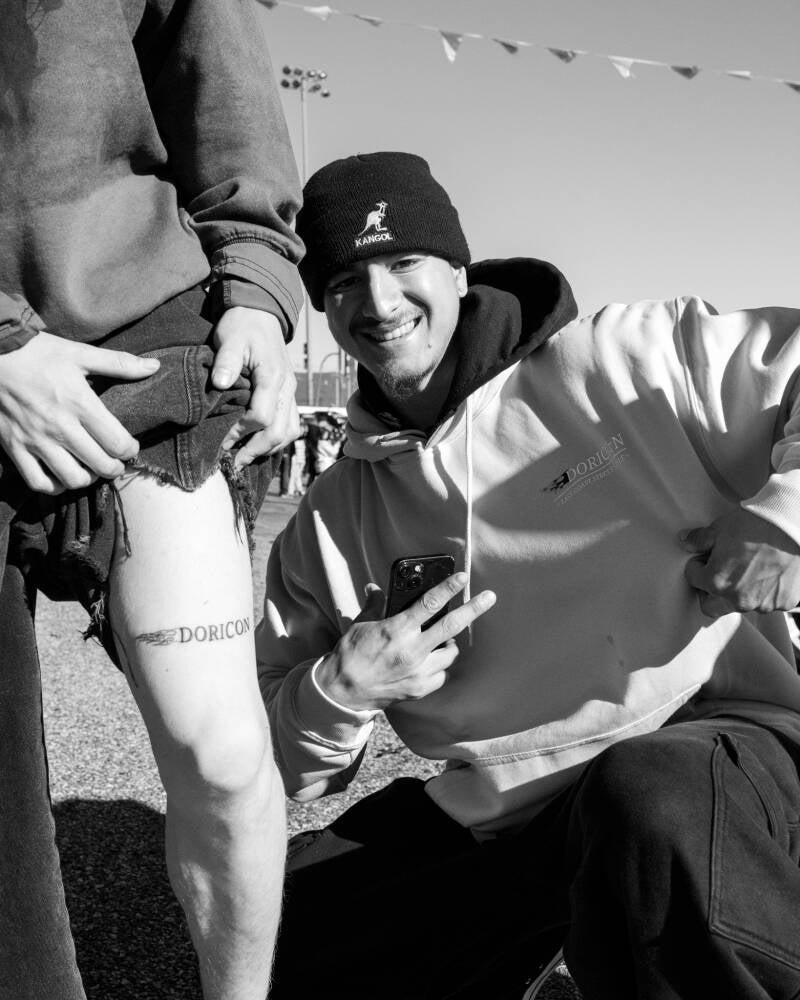
Beyond the technical aspects of the sport, Doricon reflected the importance of community driven motorsports. Grassroots drifting depends on an ecosystem of participants who contribute in different ways, from preparing vehicles and supporting drivers to organizing events and documenting the culture for wider audiences.
These contributions are essential to the long-term development of the sport. Accessible events provide opportunities for developing drivers to gain experience, established competitors to refine their skills, and enthusiasts to engage directly with the people responsible for shaping the discipline. They also create environments in which technical knowledge can be exchanged and relationships can develop across teams, regions, and generations.
For spectators, these gatherings offer a perspective that traditional motorsports coverage does not always capture. The experience includes the atmosphere of the paddock, the preparation that precedes each session, the conversations surrounding vehicle development, and the collective anticipation that accompanies on track activity. Together, these elements reveal the extensive work and shared commitment behind every performance.
Events such as Doricon also create opportunities for media professionals to document the people and stories that give the sport its character. Accurate, thoughtful motorsports coverage preserves more than the results of a particular weekend. It records the development of regional scenes, the evolution of automotive technology, and the cultural connections that link local communities to a global motorsports movement.
In this respect, documenting drifting is not simply a matter of recording cars in motion. It is an opportunity to examine the engineering, personalities, history, and community relationships that make the discipline meaningful.
Swingset’s Doricon and the Continued Evolution of East Coast Drifting
Swingset’s Doricon at Shenandoah Speedway represented an important expression of the enthusiasm and commitment sustaining East Coast drift culture. By bringing participants together around a shared interest in driving, vehicle development, and automotive creativity, the event contributed to the broader community that supports drifting beyond its most prominent professional championships.
It's significance rests in the connection between the spectacle of motorsports and the work required to sustain it. The vehicles may command attention, but the lasting value of the event lies equally in the people behind them: the drivers pursuing greater precision, the builders refining their engineering, the organizers coordinating the experience, and the enthusiasts who continue to support the culture.
As drifting develops internationally, the preservation of its grassroots foundations remains essential. Professional competition provides visibility and establishes benchmarks for performance, while community driven events maintain the personal connections, creative experimentation, and opportunities for development that allow the discipline to remain accessible and culturally relevant.
The Japanese heritage underpinning drifting provides an enduring point of reference for that progression. Its influence continues through the principles of vehicle control, technical preparation, and individual expression that define the sport. The East Coast’s contribution lies in carrying those principles forward while establishing an identity shaped by its own drivers, builders, and motorsports communities.
Doricon brought these elements into focus at Shenandoah Speedway, offering a celebration of a discipline defined by both its history and its capacity for reinvention.
Ultimately, the event represented more than a gathering of performance vehicles and drifting enthusiasts. It reflected the continued relationship between Japanese automotive heritage and American grassroots innovation, demonstrating how a motorsport born from a distinct cultural environment can develop an international identity without losing its connection to its origins.
Through the participation of its community and the continued efforts of those who organize, compete in, and document the sport, East Coast drifting remains an evolving part of that global story. Swingset’s Doricon provided another opportunity to recognize the people, technical craftsmanship, and cultural traditions that continue to move the discipline forward.
At Shenandoah Speedway, the significance of Doricon extended beyond the track. It was a reflection of drifting’s enduring appeal: a motorsport in which engineering becomes expression, competition creates community, and heritage provides the foundation for the next generation of innovation.
Written by: Chadwick Lear
Add comment
Comments